Mississippi's Role in the Civil Rights Movement
Discover how Mississippi became the heart of the Civil Rights Movement through the story of Medgar Evers.
Discover how Mississippi became the heart of the Civil Rights Movement through the story of Medgar Evers.
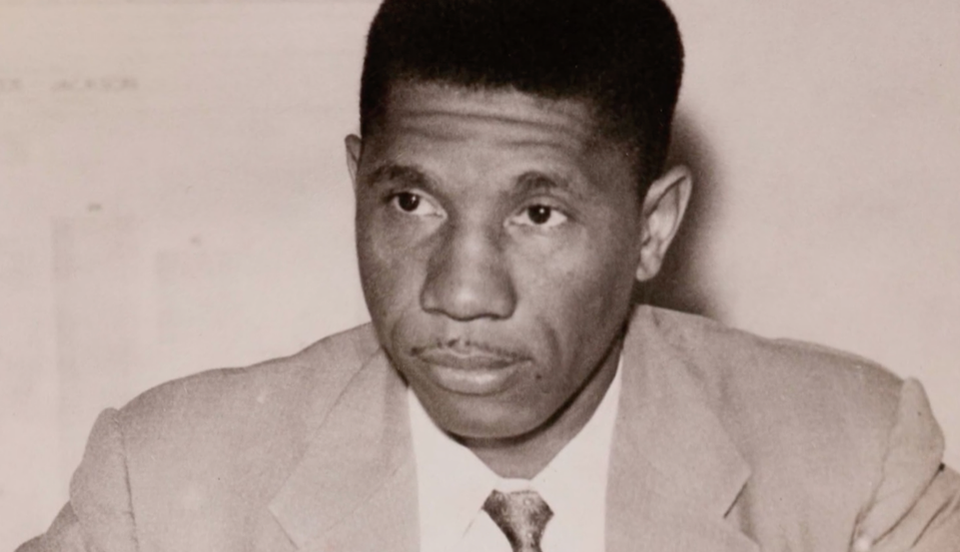
This five-day inquiry-based lesson engages eighth-grade students in exploring Mississippi's central role in the Civil Rights Movement through the story of Medgar Evers and other influential leaders. Using documentary clips from Everlasting: Life and Legacy of Medgar Evers, primary source documents, collaborative discussions, and research activities, students examine the challenges of segregation, the courage of civil rights advocates, and the events that transformed both Mississippi and the nation. Throughout the unit, students analyze historical evidence, develop arguments supported by primary sources, and demonstrate their understanding through an essay or multimedia presentation that answers the compelling question: How did Mississippi become one of the most important battlegrounds of the Civil Rights Movement?
Lori Replogle
Students examine segregation in Mississippi through documentary clips and primary sources, including Jim Crow laws, voting literacy tests, and historical photographs.
Students investigate the lives and contributions of leaders such as Medgar Evers, James Meredith, and Fannie Lou Hamer through research and collaborative presentations.
Students explore the organizations and events that challenged segregation, including the NAACP, CORE, Freedom Summer, and the integration of the University of Mississippi.
Students revisit documentary evidence and begin planning their culminating assessment by examining Mississippi's influence on the national Civil Rights Movement.
Students complete their final projects, revisit the compelling question, and reflect on how Mississippi shaped the struggle for civil rights.
Students examine Jim Crow laws, literacy tests, photographs, speeches, newspaper articles, FBI reports, and interviews to better understand the Civil Rights Movement.
Students analyze key documentary clips to connect historical events with firsthand accounts and archival footage.
Working in groups, students create biography posters, research civil rights organizations, and build historical timelines.
Students synthesize evidence from throughout the week to create a persuasive essay or multimedia presentation.