Medgar Evers Makes a Difference
Explore how one leader inspired lasting social and political change through this two-week Mississippi Studies unit.
Explore how one leader inspired lasting social and political change through this two-week Mississippi Studies unit.
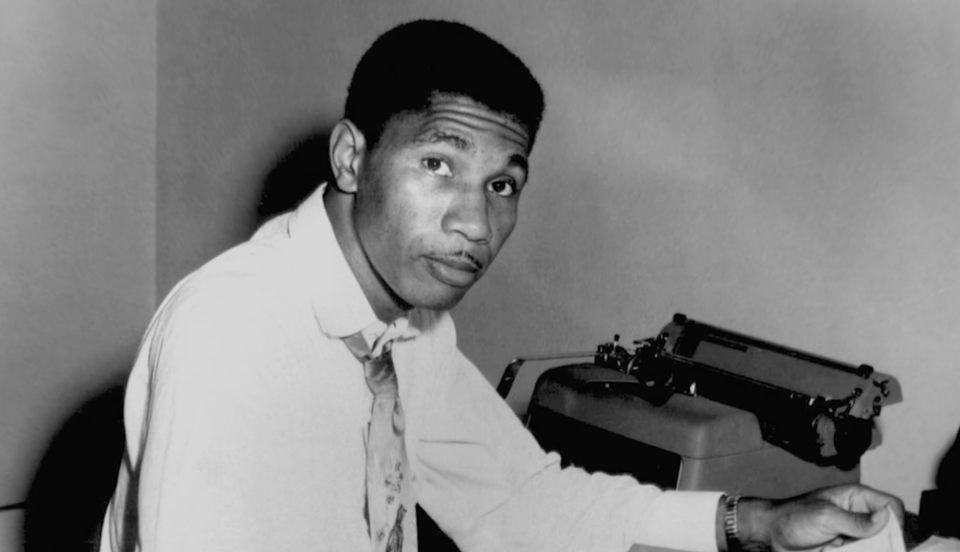
This two-week Mississippi Studies unit invites eighth-grade students to investigate how Medgar Evers influenced the Civil Rights Movement in Mississippi and beyond. Through carefully selected clips from Everlasting: Life and Legacy of Medgar Evers, students examine the historical events, strategies, and challenges that shaped the fight for equality while analyzing the impact of one individual's leadership.
Throughout the ten-day unit, students engage with historical inquiry through documentary analysis, classroom discussions, collaborative projects, primary source investigations, and reflective activities. As students progress through the lesson, they build the skills needed to evaluate historical evidence, connect past events to lasting social change, and communicate their learning through a culminating presentation, essay, or creative project.
Gregory Smith
Students explore the life of Medgar Evers by examining his early experiences, military service, community organizing, and the realities of segregation in Mississippi. Through documentary clips, discussions, timelines, and collaborative activities, students develop a strong historical foundation for understanding the Civil Rights Movement.
Students investigate the strategies used by Medgar Evers and other civil rights leaders, analyze resistance to desegregation, study the events surrounding Evers' assassination, and evaluate his lasting impact. The unit concludes with students creating a presentation, essay, or creative project demonstrating how one individual can influence social and political change.
Students analyze key moments from Everlasting to understand Medgar Evers' life, activism, and legacy.
Students investigate primary and secondary sources, create timelines, and examine the historical context of the Civil Rights Movement.
Through debates, Think-Pair-Share activities, and classroom discussions, students evaluate civil rights strategies, resistance, and the impact of historical events.
Students complete notebook reflections, exit tickets, strategy charts, and evidence-based writing activities throughout the unit.
Students demonstrate their learning by creating a visual presentation, collaborative essay, or historical short story explaining how Medgar Evers influenced social and political change in Mississippi and the United States.