Exploring Me in Medgar Evers
Inspire students to see themselves as future leaders through the life and legacy of Medgar Evers.
Inspire students to see themselves as future leaders through the life and legacy of Medgar Evers.
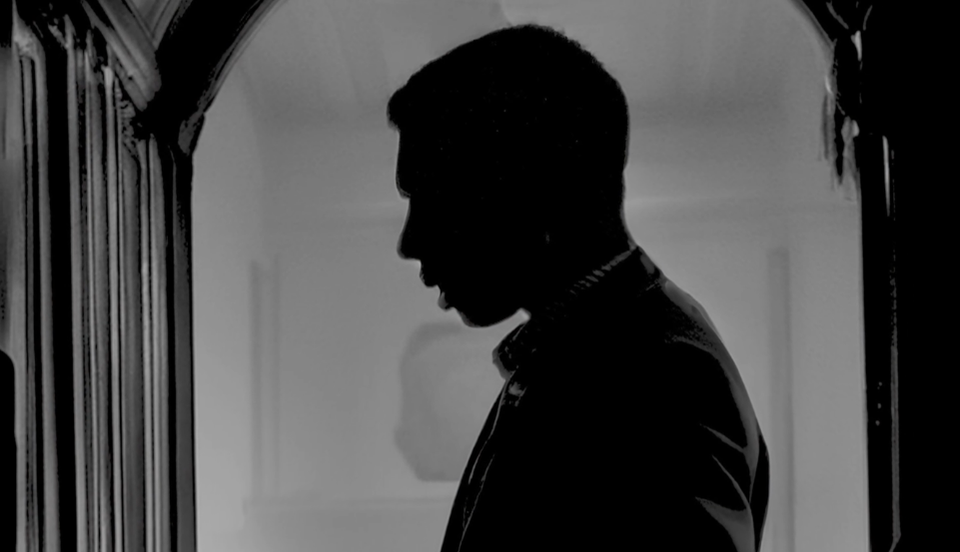
This immersive two-week unit encourages middle school students to explore the life, leadership, and lasting impact of Medgar Evers while discovering their own potential to create positive change. Through Everlasting: Life and Legacy of Medgar Evers, students examine key moments from Evers' life—from his childhood and military service to his work with the NAACP and his enduring legacy—while making personal connections to the values of advocacy, leadership, and civic responsibility.
The unit combines documentary analysis, field experiences, collaborative discussions, primary source investigations, and creative, cross-curricular projects to help students understand how history continues to shape the present. By the conclusion of the unit, students synthesize their learning by creating a mini documentary that connects Medgar Evers' legacy to today's generation of young leaders.
Seraiah Lodge
Students develop a foundation in the Civil Rights Movement before exploring Medgar Evers' childhood, military service, education, and early career. Along the way, they investigate the significance of Mississippi, visit the Mississippi Civil Rights Museum, analyze documentary clips, and examine how Evers' early experiences shaped his commitment to justice.
Students explore Medgar Evers' work as Mississippi's first NAACP Field Secretary, his family life, Myrlie Evers' continued leadership, and the impact of youth activism. The unit culminates in a collaborative documentary project where students connect Medgar Evers' story to their own lives and consider how they can become advocates within their communities.
Students examine key moments from Everlasting while completing guided notes, discussion prompts, and documentary analysis activities.
Students extend their learning through visits to the Mississippi Civil Rights Museum and the Medgar & Myrlie Evers Home National Monument, connecting classroom lessons with real-world history.
Students analyze speeches, letters, photographs, Library of Congress materials, historical articles, and documentary transcripts to deepen their understanding of the Civil Rights Movement.
Through Think-Pair-Share activities, research projects, debates, discussions, and presentations, students strengthen communication and historical inquiry skills.
Working alongside Digital Media and other subject areas, students create a collaborative mini-documentary that connects Medgar Evers' legacy to today's generation, demonstrating both historical understanding and modern storytelling skills.