Medgar Evers Through Historic Photos
Discover how historic photographs reveal the life, leadership, and legacy of Medgar Evers.
Discover how historic photographs reveal the life, leadership, and legacy of Medgar Evers.
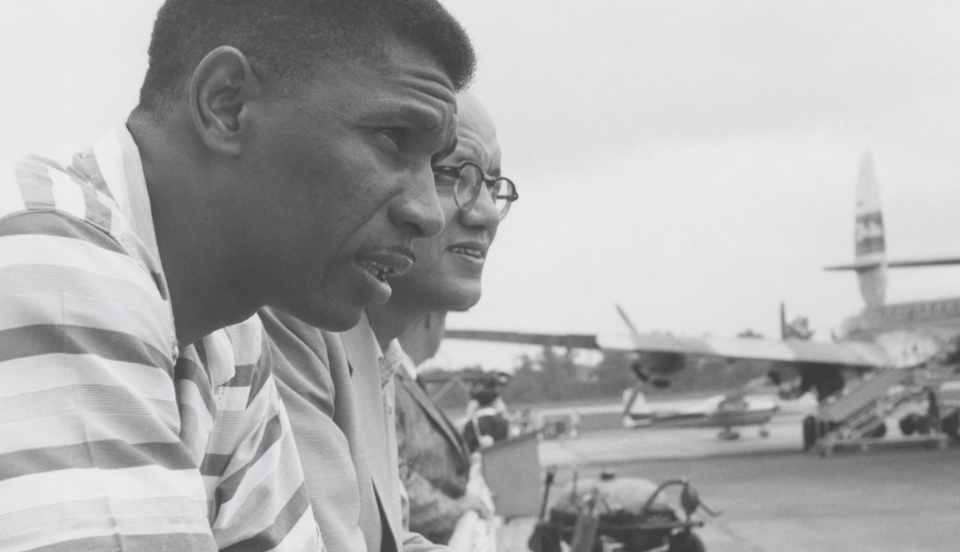
This inquiry-based lesson for grades 9–12 invites students to explore the life and legacy of Medgar Evers through the power of historical photography. Using carefully selected scenes from Everlasting: Life and Legacy of Medgar Evers, students analyze photographs to better understand the people, places, and emotions that shaped the early Civil Rights Movement while developing visual literacy and historical thinking skills.
As students examine documentary images, discuss historical context, and reflect on Medgar Evers' lasting influence, they build evidence-based arguments about why his story continues to matter today. The lesson concludes with a creative civic action project that encourages students to honor Evers' legacy through memorial design or visual storytelling.
Cynthia Monroe / Tina Grace
Students begin by considering the question: What would Medgar Evers say about today's racial relations if he were still alive? This opening discussion encourages students to connect historical events to present-day issues while preparing them to analyze documentary imagery.
Students examine historical photographs featured in Everlasting, identifying people, locations, emotions, and historical context. Through guided discussion and evidence-based observation, they explore how photographs communicate powerful stories about the Civil Rights Movement and Medgar Evers' contributions.
Students synthesize their learning by responding to the compelling question: Why is it necessary to remember the life, legacy, and history of Medgar Evers? They then apply their understanding by designing a memorial, creating a storyboard, or researching organizations that continue Evers' work today.
Students examine documentary photographs to identify people, locations, and historical events while developing observation and visual literacy skills.
Students communicate their interpretations of historical images, discuss Medgar Evers' contributions, and consider how photographs preserve important moments in history.
Students use documentary images and historical evidence to construct a written response explaining why Medgar Evers' life and legacy remain important today.
Students extend their learning by designing a memorial or monument honoring Medgar Evers or creating a storyboard that illustrates his accomplishments and lasting impact on the Civil Rights Movement.