One Person, Lasting Change
Discover how Medgar Evers' leadership helped shape social and political change in Mississippi.
Discover how Medgar Evers' leadership helped shape social and political change in Mississippi.
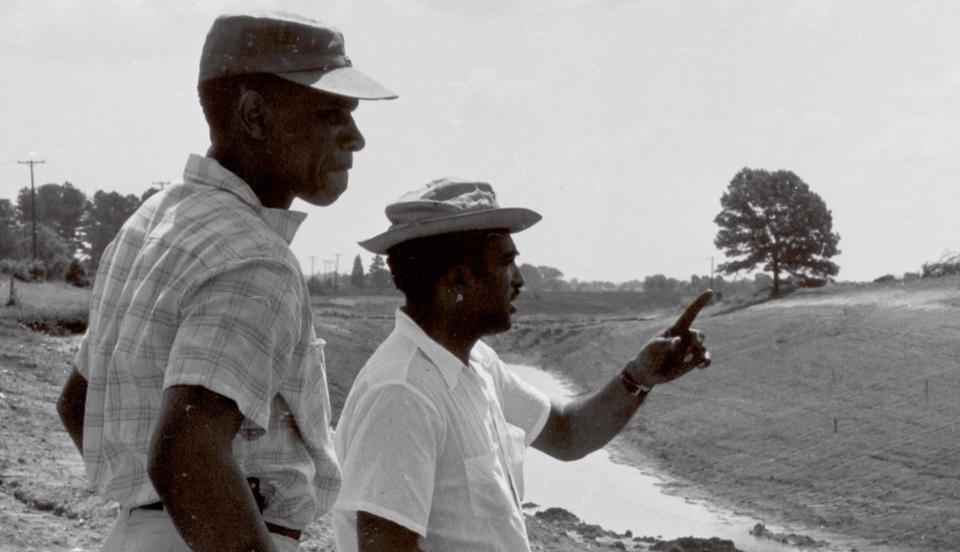
This inquiry blueprint invites eighth-grade students to investigate how one individual can influence social and political change through the life and legacy of Medgar Evers. Using an inquiry-based approach, students examine Evers' role in the Civil Rights Movement, analyze the strategies used to challenge segregation, and evaluate the lasting impact of civic leadership in Mississippi and across the nation.
Through historical inquiry, documentary analysis, primary sources, and collaborative discussions, students develop evidence-based conclusions about how individuals and collective action can transform communities. By connecting historical events to modern civic engagement, students gain a deeper understanding of leadership, advocacy, and the enduring impact of the Civil Rights Movement.
Gregory Smith
Students explore how Medgar Evers influenced the Civil Rights Movement by examining his leadership, advocacy, and commitment to equality. Through historical inquiry and documentary analysis, they investigate the strategies used to challenge segregation and evaluate how individuals can inspire broader social and political movements.
Students examine the effectiveness of civil rights strategies, consider the role of collective action, and evaluate the lasting impact of the Civil Rights Movement in Mississippi. Using evidence from historical sources and documentary clips, they develop arguments about how one person's actions can create meaningful and lasting change.
Students reflect on the enduring relevance of Medgar Evers' legacy by connecting historical examples of civic leadership to contemporary issues. The inquiry concludes by encouraging students to consider how they can use their own voices and actions to positively influence their communities.
Students examine key moments from Everlasting to understand Medgar Evers' leadership and the strategies used during the Civil Rights Movement.
Students analyze historical evidence to evaluate the role of Medgar Evers and the effectiveness of Civil Rights strategies in creating social and political change.
Students engage in inquiry-based discussions centered on the compelling question, supporting their ideas with evidence from documentary clips and historical sources.
Students develop written or multimedia responses explaining how one individual can influence social and political change while connecting Medgar Evers' legacy to civic engagement today.