Love as a Weapon
Discover how Medgar Evers used nonviolence to challenge injustice and inspire lasting change.
Discover how Medgar Evers used nonviolence to challenge injustice and inspire lasting change.
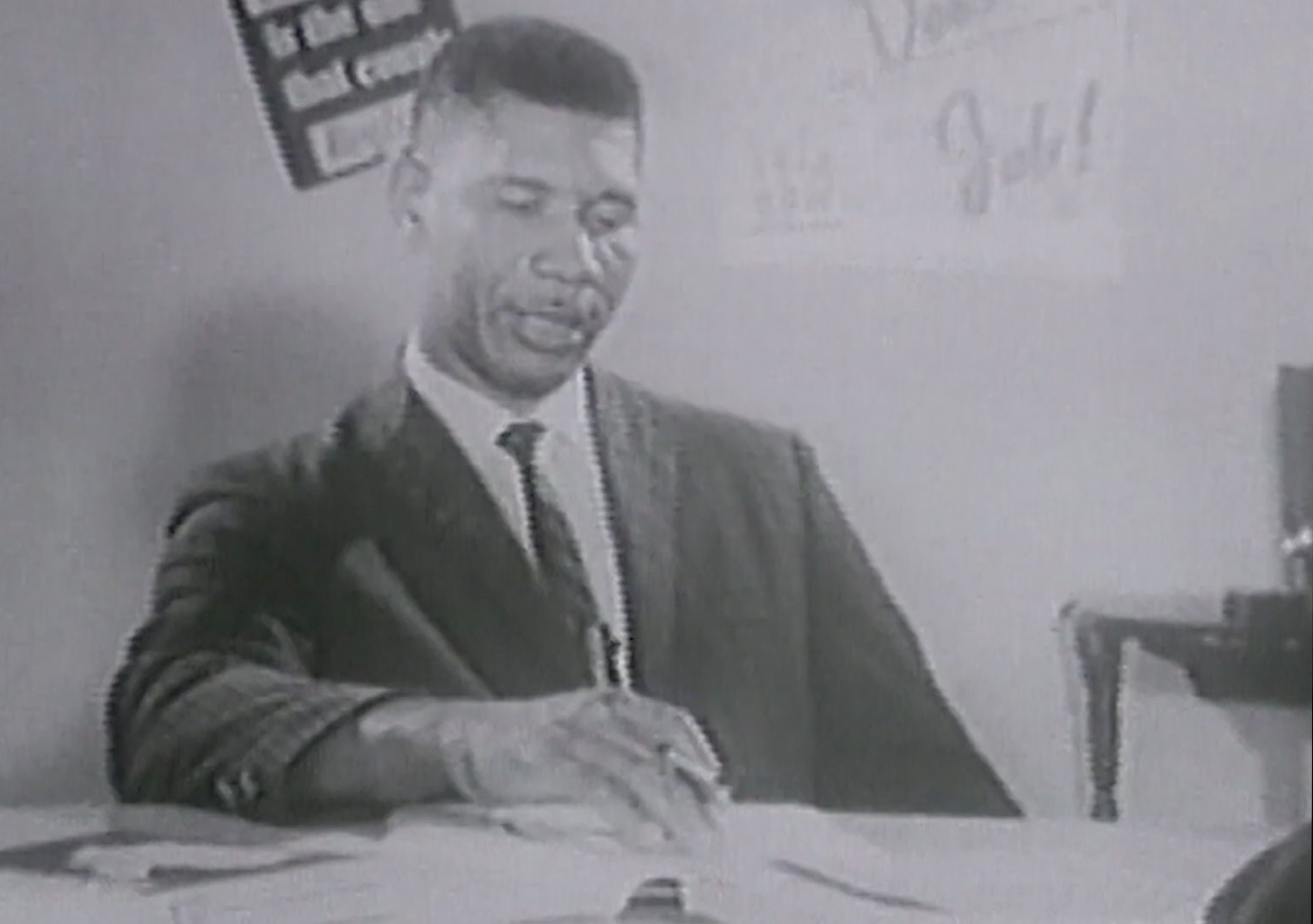
This inquiry-based World History lesson explores how Medgar Evers embraced love, courage, and nonviolence as powerful tools for advancing civil rights. Through selected clips from Everlasting: Life and Legacy of Medgar Evers, historical documents, and comparative studies of other global leaders, students investigate how peaceful resistance challenged injustice and transformed societies.
As students analyze documentary evidence and historical sources, they compare Medgar Evers' philosophy with those of leaders such as Martin Luther King Jr., Mahatma Gandhi, and Nelson Mandela. The lesson encourages students to evaluate the effectiveness of nonviolent protest and consider how civic action continues to influence social justice movements today.
• WH 11.1 Examine social and political issues that advanced civil and human rights.
Chris McRae
Students begin by exploring the question, "Is it possible to fight someone with love?" This opening discussion introduces the concept of nonviolent resistance and prepares students to examine how Medgar Evers approached injustice during the Civil Rights Movement.
Students analyze documentary clips, historical documents, and primary sources to examine the challenges Medgar Evers faced, why he rejected hatred as a response to oppression, and how his beliefs aligned with other influential advocates for peaceful social change.
Students construct an evidence-based argument explaining how Medgar Evers used love as a weapon for change. They conclude by evaluating the effectiveness of nonviolent protest and creating a campaign poster that promotes peaceful civic engagement within their own school or community.
Students examine key scenes from Everlasting to understand how Medgar Evers responded to injustice through courage, perseverance, and nonviolence.
Students analyze historical documents, including Governor Ross Barnett's conversations regarding the integration of the University of Mississippi and Medgar Evers' 1958 Ebony article, to evaluate differing perspectives on the Civil Rights Movement.
Students compare Medgar Evers' philosophy of nonviolent resistance with the leadership of Martin Luther King Jr., Mahatma Gandhi, and Nelson Mandela, identifying common themes across global movements for justice.
Students apply their understanding by writing an evidence-based essay or creating a multimedia presentation on nonviolent leadership, then design a poster promoting a peaceful solution to an issue affecting their school or community.