Family, Sacrifice, and Community
Explore how Medgar Evers balanced family, service, and sacrifice in the fight for civil rights.
Explore how Medgar Evers balanced family, service, and sacrifice in the fight for civil rights.
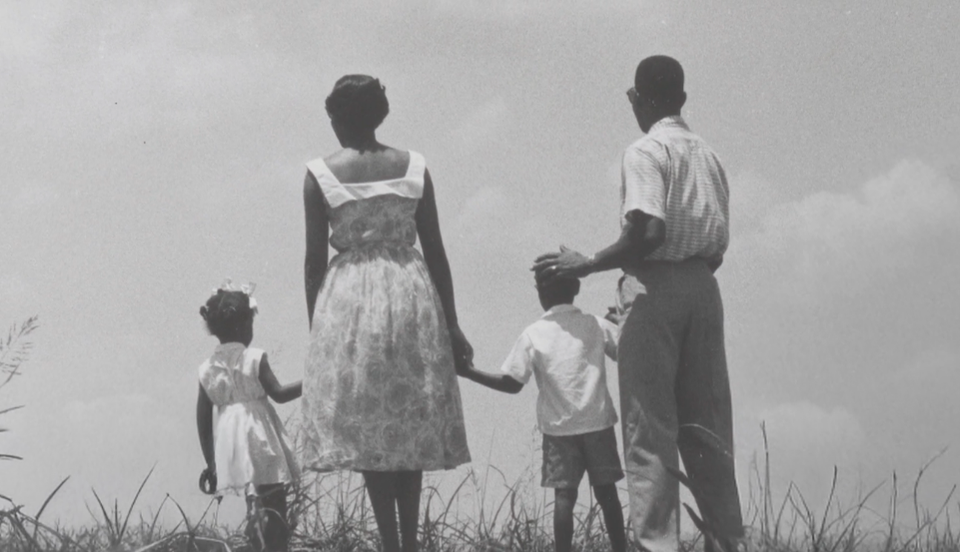
This high school inquiry unit explores the personal sacrifices made by Medgar Evers and his family during the Civil Rights Movement. Through the lens of family, service, and citizenship, students examine how Evers balanced his commitment to justice with his responsibilities as a husband and father. Using Everlasting: Life and Legacy of Medgar Evers and historical inquiry, students consider the personal cost of leadership and the difficult choices faced by those who challenged inequality.
Throughout the unit, students analyze the impact of the Civil Rights Movement on local families, evaluate the role of individuals in advancing social change, and reflect on the relationship between personal values, civic responsibility, and community leadership. The lesson encourages students to consider how sacrifice, service, and love can shape both families and society.
Atarji
Students begin by examining Medgar Evers' roles as a husband, father, and civil rights leader. Through documentary analysis and historical discussion, they explore how his commitment to equality affected his family and community while considering the responsibilities that accompany civic leadership.
Students investigate the personal risks faced by Medgar Evers, Myrlie Evers, and other families during the Civil Rights Movement. By analyzing historical events and personal stories, they evaluate how sacrifice became an essential part of the struggle for justice and equal rights.
Students conclude the unit by considering the compelling question, "Can a person truly love their family while risking everything for their community?" Through discussion, writing, or presentation, they connect Medgar Evers' legacy to modern examples of civic engagement and explore how service to others continues to strengthen communities today.
Students examine scenes from Everlasting that highlight Medgar Evers' family life, public service, and commitment to civil rights.
Students discuss the balance between family responsibilities and civic duty, using historical evidence to support multiple perspectives on sacrifice and leadership.
Students investigate how the Civil Rights Movement affected families and communities, analyzing the experiences of Medgar Evers and others who risked their personal safety in pursuit of equality.
Students complete an evidence-based essay, journal entry, or presentation evaluating the role of sacrifice in creating lasting social change and reflecting on how individuals today can serve both their families and their communities.