Those grants are going toward a variety of healthcare initiatives around Mississippi, from replacing aging infrastructure to expanding pharmacy services to increased telehealth options.
The dollars are part of the federal Rural Health Transformation Program, which is allocating $50 billion to states over a five-year period. Just last month, Reeves announced several state pilot programs targeting mental health and obesity are also being funded through the program.
Mississippi received roughly $206 million this year and Reeves says they hope to receive at least that much for next fiscal year.
"We're already preparing for year two: Mississippi has already submitted our continuation request to [Centers for Medicare & Medicaid Services]," Reeves told reporters at the Walter Sillers building in downtown Jackson. "We expect to know our year two funding amount sometime hopefully in early November."
For now, Reeves says other grants are currently being reviewed, with a particular emphasis on workforce development initiatives.
"We still have more year one investments on both workforce and psychiatric emergency services to be announced most likely in the next 30 to 45 days," he said.
The newly-created state Rural Health Transformation Program Office received over 700 applications for the first three funding opportunities, totaling roughly $767 million requested. The 167 projects that received grant money were a fraction of the 478 eligible applications.
"I wish we could have funded every single good idea and there were a lot of them," Reeves said. "But I am encouraged that so many more opportunities are coming our way."
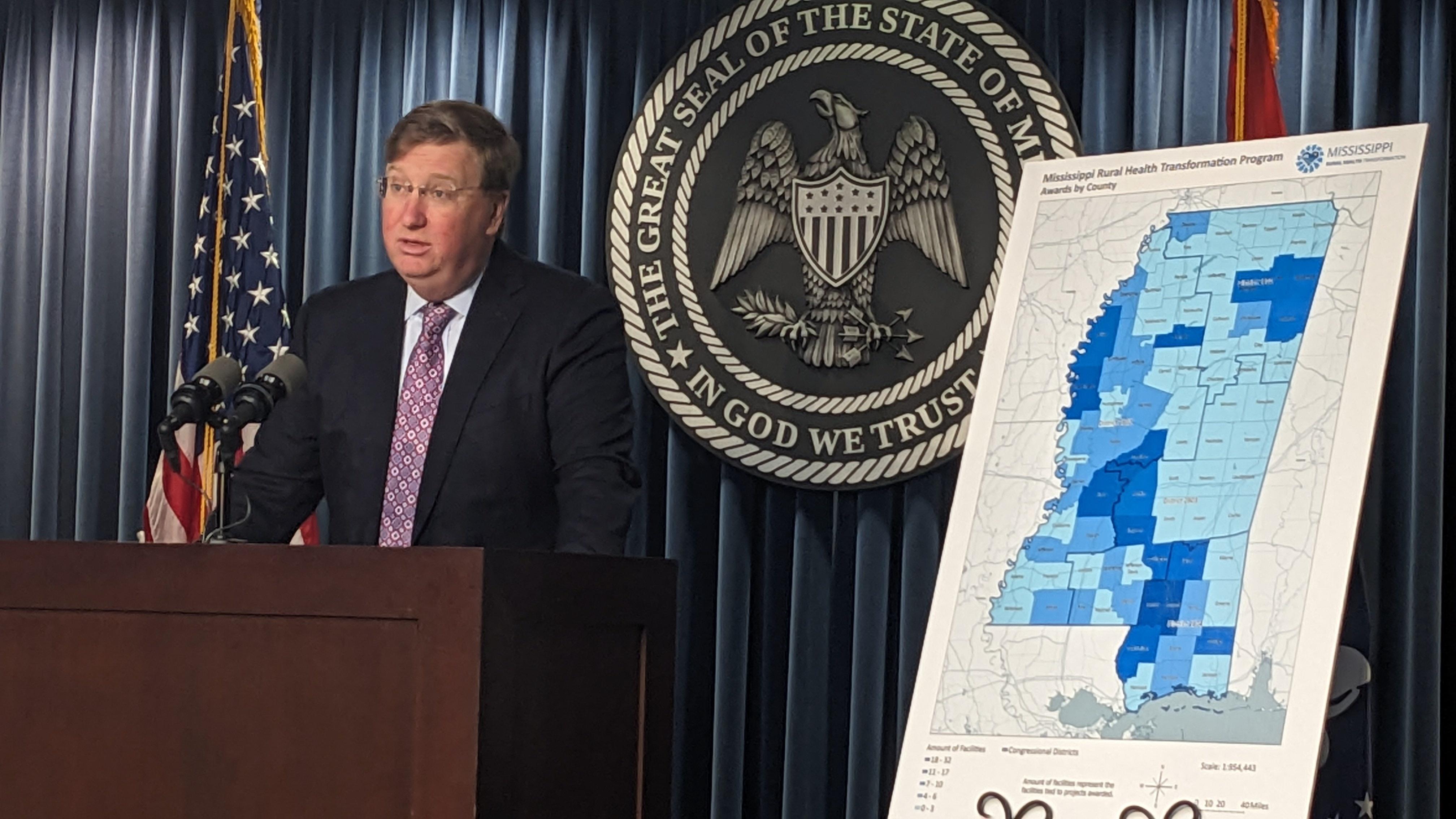
Roughly a third of the awards are going to congressional district two, encompassing much of the Mississippi Delta, totaling over $31 million in funding.
Some major projects in the region include $3 million for the University of Mississippi Medical Center in Greenwood for hospital infrastructure and surgical and post-acute care improvements and another $3 million to the Delta Health Center for a round-the-clock Urgent and Critical Response center.
Reeves also highlighted Jackson as a hub for healthcare; for example, one project in the capital will use over $300,000 to improve digital reporting for Canopy Children Solutions, saying it would benefit children across the state. He argued that with many of the funded projects, rural healthcare investments don't need to necessarily be in rural communities.
"We don't need to recreate every specialty and every service in every small town across Mississippi," Reeves said. "That's neither realistic nor is it necessary."
In the first congressional district, North Mississippi's 32 projects are receiving a combined estimated $16 million. The third congressional district, in east Misssippi and around the Pine Belt, is receiving around $26 million for 33 awards and the fourth district is getting $31 million to put into 50 projects along the Gulf Coast.
"When you step back and look at these projects together, you really are seeing something bigger than a list of grants," Reeves said. "You see a strategy built around Mississippi."
Grantees have to move quickly in using the money, though. Funds had to obligated by the end of this year and those dollars have to be spent within months, with the year one performance period ending next July.
"For this $104 million, we expect the vast majority of these funds are gonna be spent within the next 12 months," Reeves said.
"These dollars are going to be expected to be spent within the next year, because we want to move fast, but also because we're hopeful there's $200 million more that we're going to talking about in the next 30 to 45 days."
The money will be reimbursed to grantees on a rolling basis. On Monday, Reeves also announced other upcoming plans.
"Next month, in October, we'll launch additional opportunities focused on innovative ways to close gaps in rural care and help rural providers modernize the electronic health record systems they rely on every day," Reeves said.
More information on funding programs and criteria is available online.
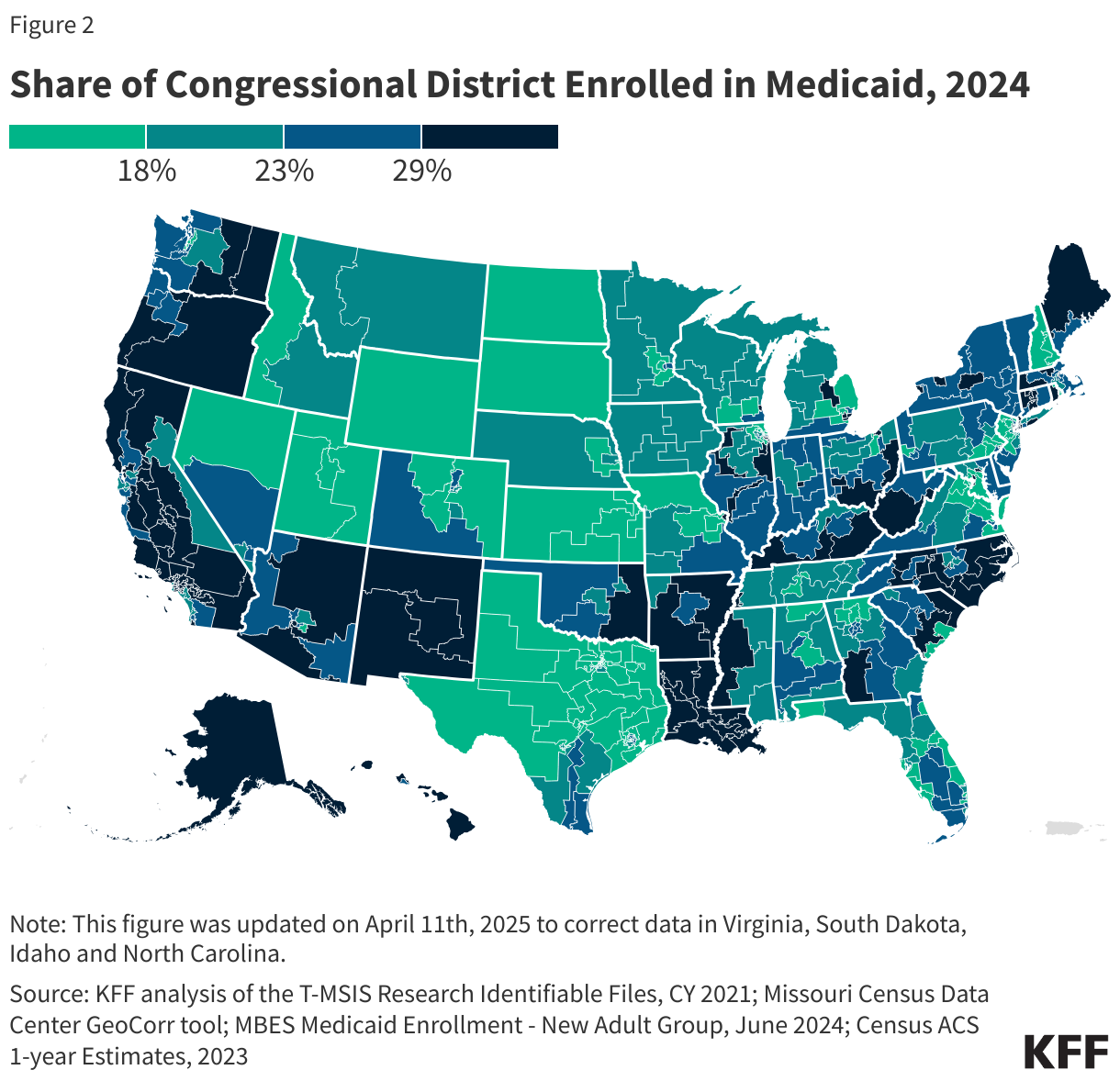
The Rural Health Transformation Program is part of the One Big Beautiful Bill Act, which also made significant changes to Medicaid and cuts to Medicare. In Mississippi, some of the highest Medicaid enrollment rates are in rural areas like the Delta.