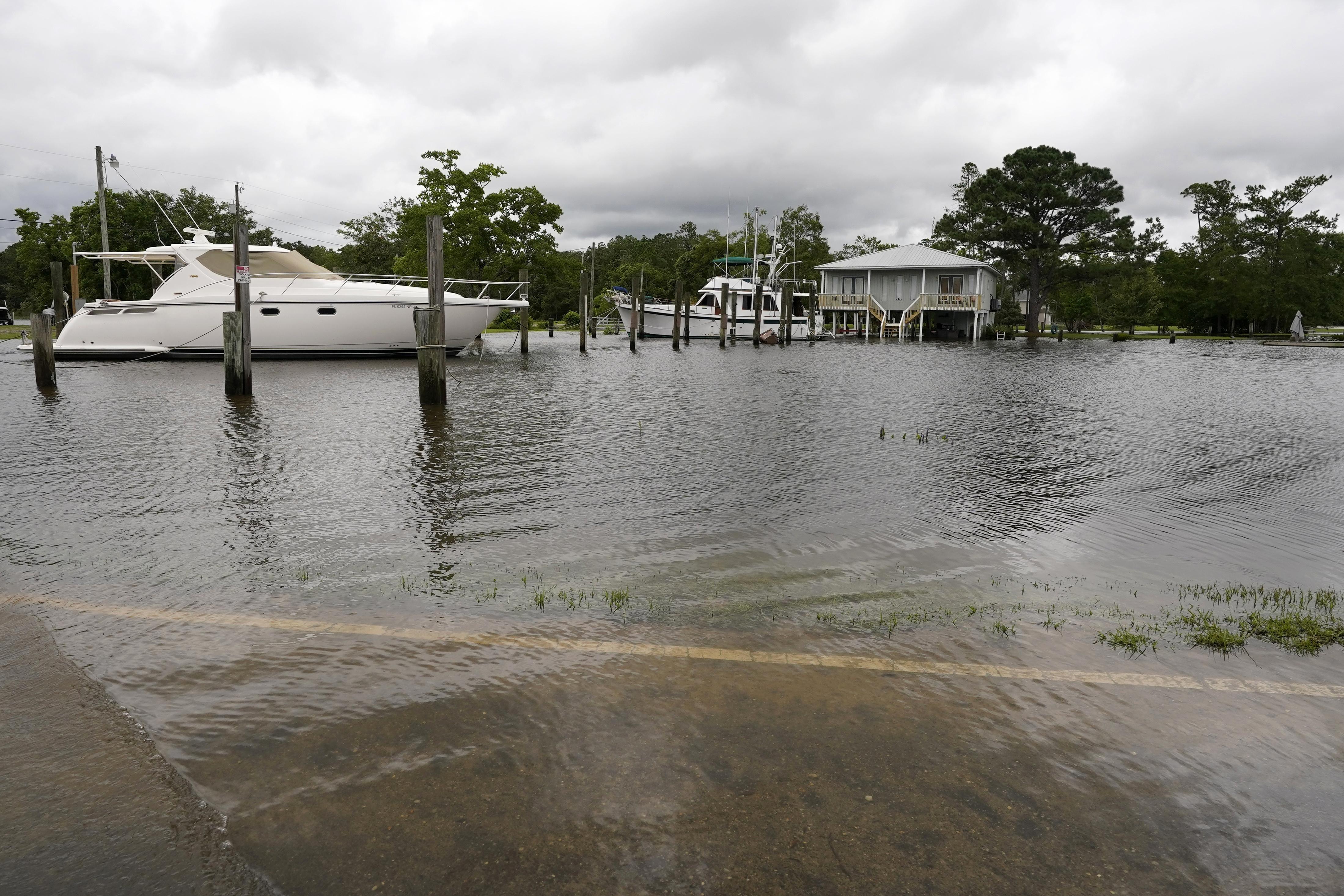
The last time the Partners in Preparedness summit met was in 2019, before the COVID-19 pandemic put the annual convening of Mississippi’s emergency management agencies on hold.
But now officials are setting their sights on the 2023 hurricane season. Over four days in Biloxi last week, first responders and officials from the state, county and municipal level took part in various training sessions and panels to improve coordination in response and recovery.
Planning for a united response
Among the organizations at the conference were the Mississippi Emergency Management Agency (MEMA), as well as the state Department of Health and Department of Public Safety. One of the aims was to create a unified approach between each entity when storms strike.
“Really most importantly, learning what each other does. We all know what we do and what our responsibilities are, but it’s also important to learn what the priorities of other agencies and officials are so when we go into a crisis response, we’re all working together,” said Jeremy Parker, the director of military support for the Mississippi National Guard.
Since that last summit, a number of natural disasters have occurred in the state, including the flooding of the Pearl River last August and the destructive tornado that hit the Delta nearly two months ago.
Stephen McCraney, the executive director of MEMA, says the summit also allowed the state to revisit the response to Hurricane Ida two years ago, and to use any lessons learned to plan ahead for future storms.
“This is the opportunity where we put on classes and dust off the manuals and take a quick snapshot back to look at Hurricane Ida. All those partners that are actually going to be involved in a hurricane response — we’re here and we’re able to have breakout sessions and talk one-on-one about how we’re going to handle logistics,” said McCraney.
Preparation is key
McCraney, who has been with MEMA since 2016, says it’s crucial to enter hurricane season with preparation in mind. That means ensuring locals understand the full scope of risks that modern hurricanes present. Research shows that hurricanes have become more powerful and more destructive over the last few decades due to a warming climate. What’s more, when they reach land, they weaken at slower rates than in the past, causing more damage farther inland. Storms are also expected to make landfall further north over the coming years, especially on the Gulf Coast.
“We bring in forecasters at the county level to meetings every quarter, and we look at the storm surge and how different tides will affect that, combined with rain,” said McCraney. “The surge maps have gotten better, but it’s also the locals here on the coast. We know in certain areas if they say it’s a 3-foot surge it’s really a 5, because of the change of the landscape. So getting that local forecast really dialed in for the local citizens and making it mean something to them is really important.”
Hurricane season officially begins June 1st. Colorado State University’s Tropical Weather and Climate Research institute predicts this year will be slightly below-average, forecasting 13 named storms and two major hurricanes.