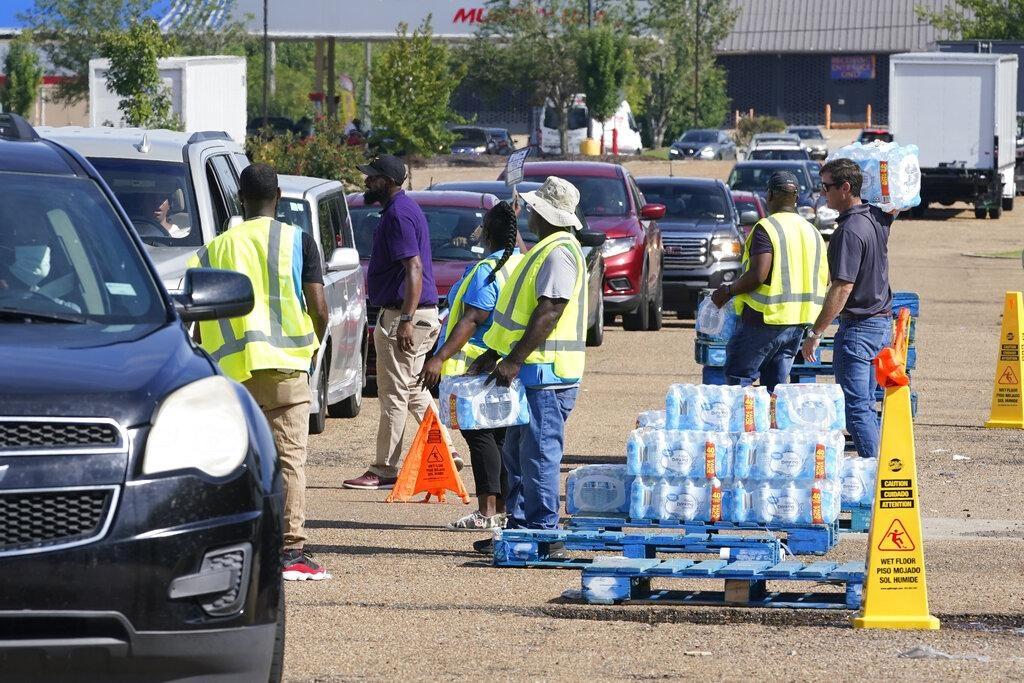
A coalition of advocacy groups and Jackson residents have drafted a petition requesting further emergency relief from the EPA. Grassroots organizations are asking that clean drinking water be made available and for clearer communication on the current state of water in the capital city.
Rukia Lumumba leads the People’s Advocacy Institute, one of the groups in the coalition. She says despite the changes that have been made and assurances from officials, residents still don't trust Jackson's water system.
“We're still seeing brown water coming out of their faucet, still having tests that come back with various contaminants in their water,” she said. “Residents still, you know, have a heightened fear of drinking water from the tap.”
This comes after officials said last month that the water was safe to drink. Last year, residents filed a class action lawsuit about the “decades of neglect” that led to the water crisis, and the EPA launched a civil rights investigation into the state.
Organizers have reported hearing of health concerns from multiple residents in the capital city, and these residents believe the issues stem from using Jackson's water. According to the petition, Jackson residents are still seeing discolored water and worry about lead and bacterial contamination. Some residents believe contact with the water has caused skin issues and infections.
Danyelle Holmes is an organizer with the Mississippi Poor People's Campaign and a Jackson resident. She says information about water safety should be made more accessible to residents.
“We have to be very transparent,” she said. “We have to talk in a way… where communities can understand what is going on here. Because the language has been over the top of many of the residents' heads. They don't know what is being said so they don't become engaged in the process.”
The federal government allocated roughly $600 million to address Jackson's water crisis last year.