Meteorologist Christopher Rainer said the prolonged stretch of extreme heat is expected to continue through at least Wednesday. He said parents and coaches should stay aware of how long their children should be outside.
“You definitely want to keep an eye on the forecast for any trends in terms of heat because there may be a chance that a heat advisory may be issued," said Rainer. “Make sure they have plenty of water available and stay in air-conditioned areas after playing any outdoor activities outside.”
The combination of heat and humidity is creating dangerous conditions that can quickly lead to heat-related illnesses, particularly for outdoor workers, children participating in sports and older adults.
Officials are encouraging people to wear lightweight clothing, drink plenty of water, avoid strenuous activity during the hottest parts of the day and spend as much time as possible in air-conditioned buildings. Residents are also urged to check on elderly neighbors and family members who may be more susceptible to heat-related illnesses.
The timing of the heat wave comes as many Mississippi students prepare to return to school and begin outdoor athletic practices, including football. Experts said parents and coaches should closely monitor weather forecasts, make water readily available and ensure children have opportunities to cool down between activities.
Medical experts warn that prolonged exposure to extreme heat can lead to heat cramps, heat exhaustion and heat stroke, the most severe and life-threatening heat illness.
Carl Mangum, an associate professor at the University of Mississippi Medical Center School of Nursing, said recognizing symptoms early can prevent serious medical emergencies.
"Heat stroke is definitely a medical emergency," Mangum said. "If someone becomes confused, faints or has hot, dry skin, that's a 911 call."
Mangum said people taking medications for blood pressure or certain psychotropic medicine should exercise additional caution because those medications can increase the body's vulnerability to extreme heat. He also recommends hydrating before going outdoors, taking frequent breaks and postponing outdoor chores whenever possible.
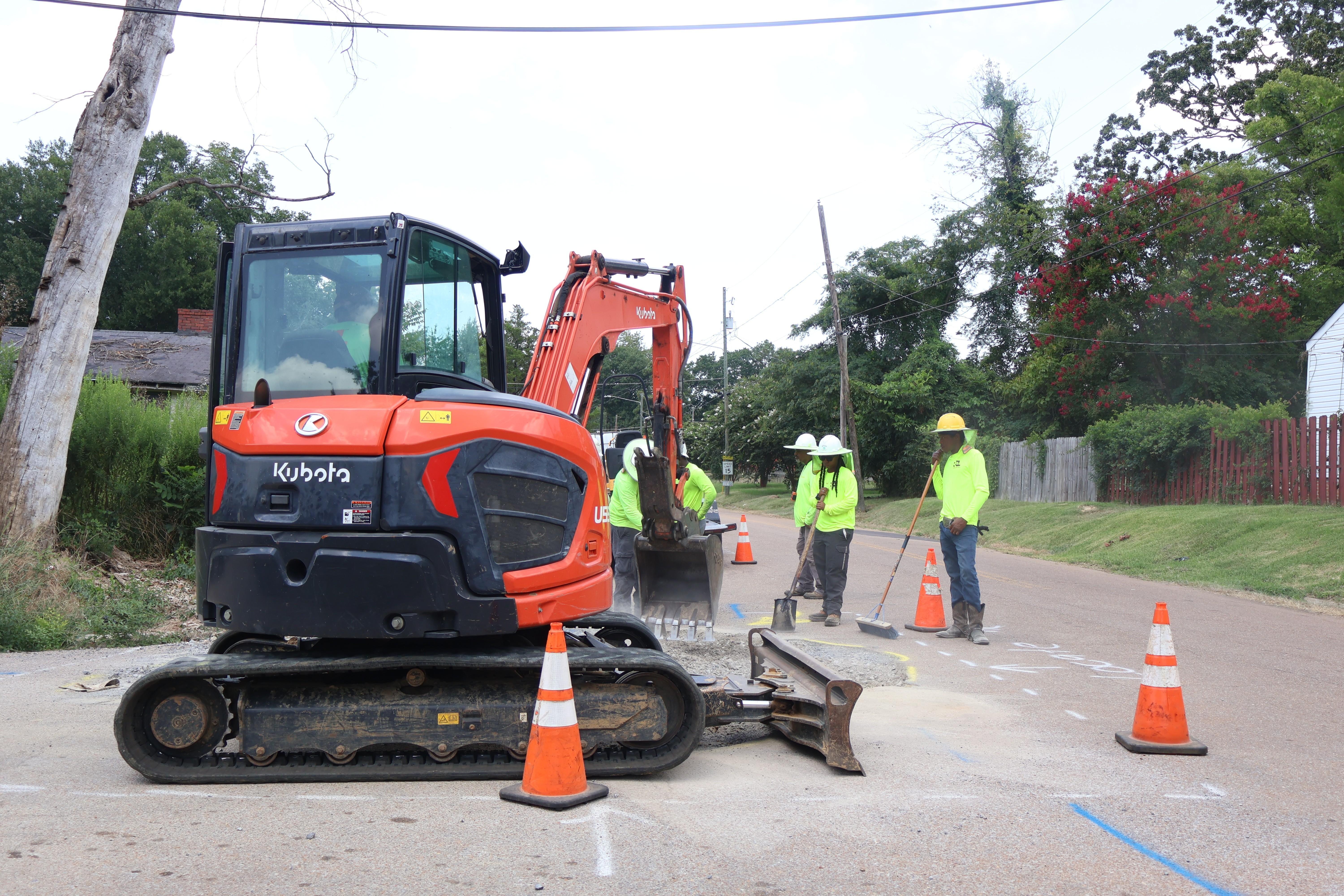
Construction crews and road workers across Mississippi continue working despite the sweltering conditions by adjusting their routines. Gregory Owens, who repairs roadways, said staying hydrated and listening to your body are critical.
"We drink a lot of water and Gatorade," Owens said. "If we get too hot, we sit in the truck, cool off and then get back to work. That's all you can do."
Owens said workers also wear long sleeves to help cool their bodies as sweat evaporates and use water on their heads and necks to reduce body temperature.
Mangum said children and older adults are among those most at risk because they are less able to regulate body temperature. He encouraged parents to limit children's outdoor play, especially during peak afternoon heat, and ensure they have frequent water breaks and opportunities to cool off indoors.
Forecasters expect scattered rain chances to return later in the week, which could bring some relief from the prolonged heat. Until then, officials say the safest approach is simple: stay hydrated, seek shade or air conditioning whenever possible and avoid unnecessary time outdoors during the hottest hours of the day.