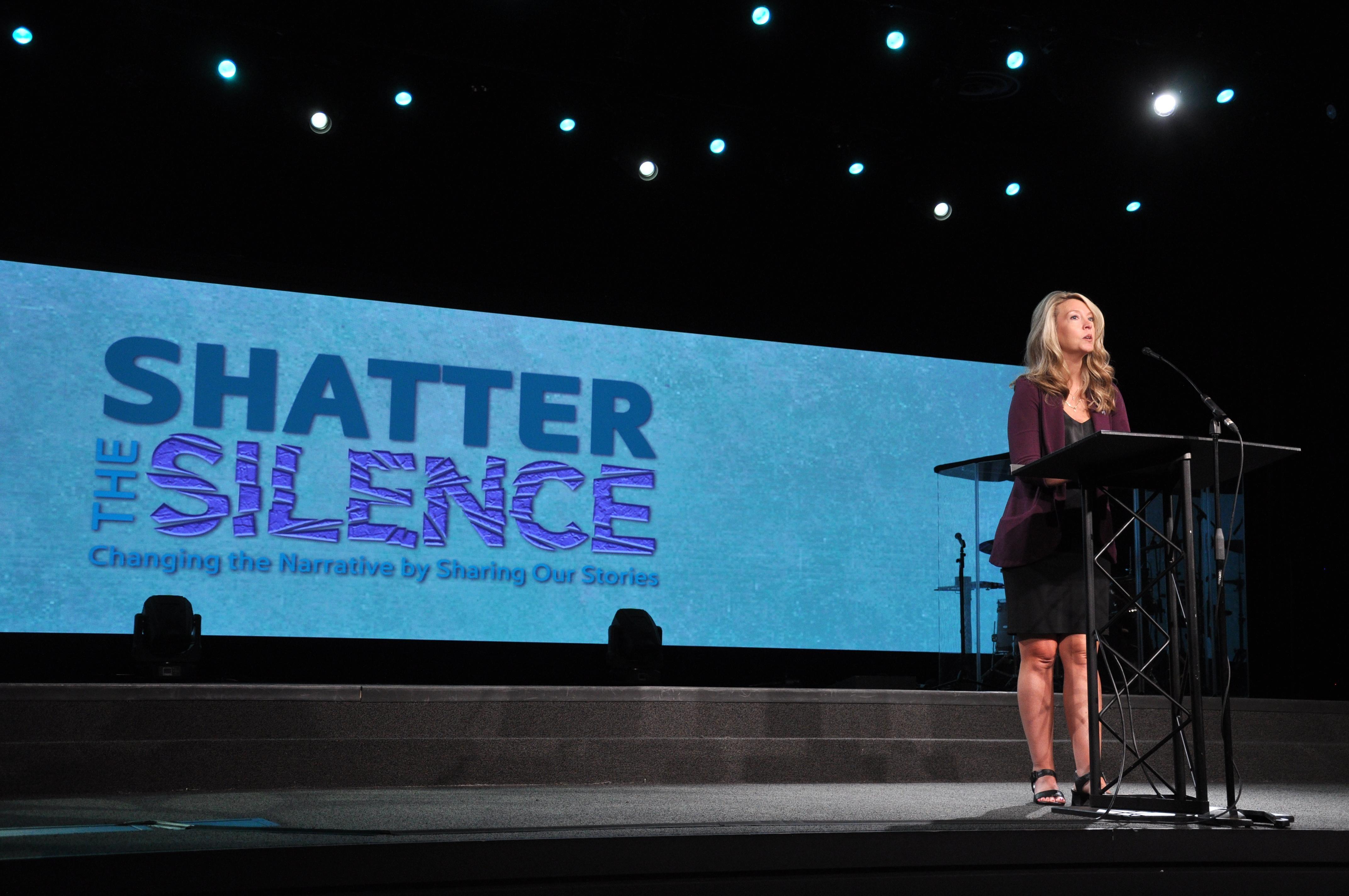
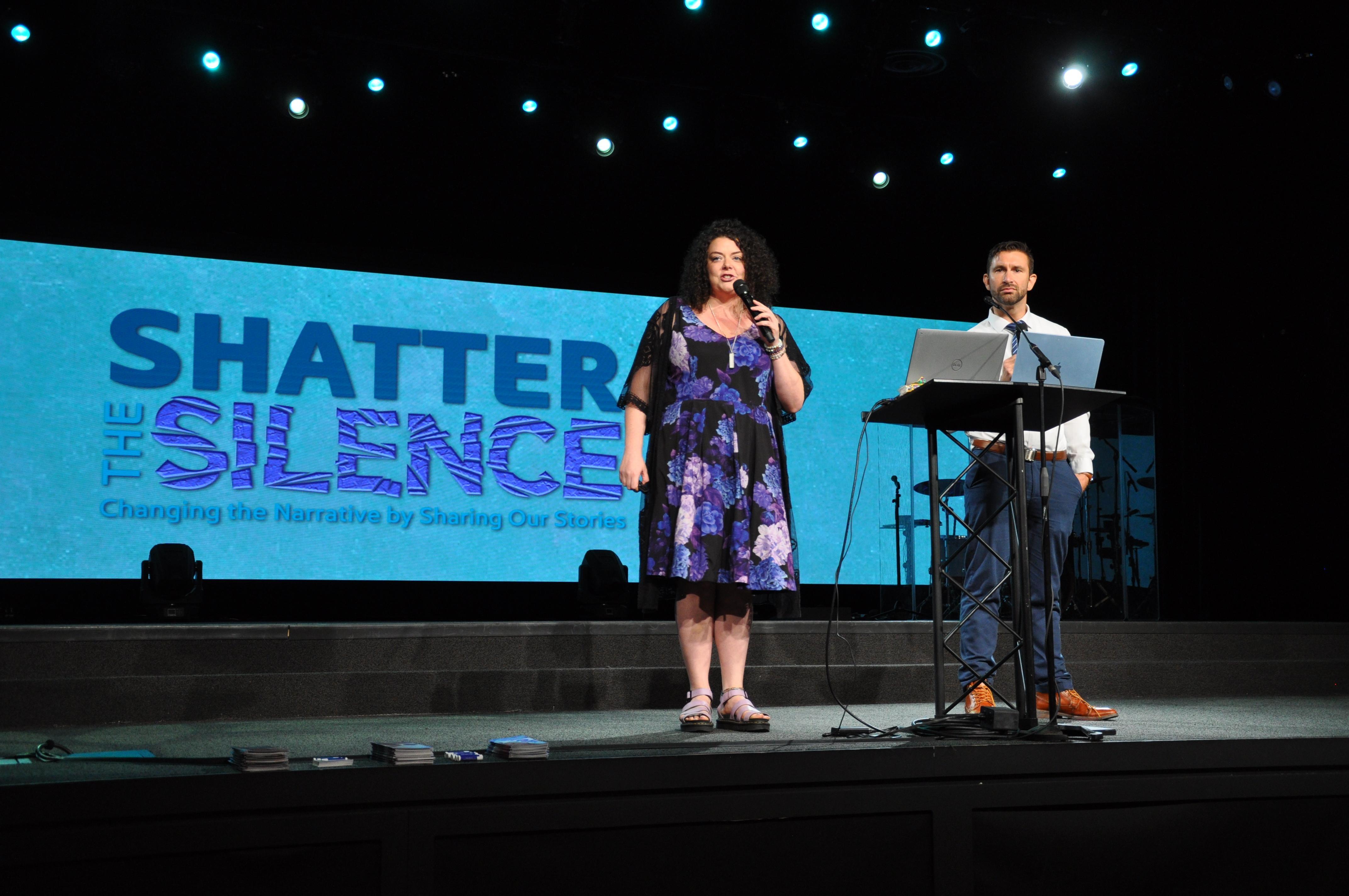
The 10th annual Suicide Prevention Symposium took place on September 9 in Brandon. Advocates, clinicians, experts and individuals with lived experience came together to speak, learn, and share from one another about suicide prevention and resources available in Mississippi. This year, the symposium was centered around the stigmatization of suicide and how Mississippians can help to overcome stigmas.

Kristen Kaylor
Experts urge Mississippians to break stigma around suicide
Mississippi Department of Mental Health Executive Director Wendy Bailey said that suicide is the third leading cause of death for teens and young adults in Mississippi. She mentioned that many suicides also go unreported, sometimes counted as accidental deaths.
“We want to see those numbers decrease,” Bailey said. “...statistics come into the Office of Vital Statistics with the Department of Health, and they are reported by the coroner. But many times you may have an accidental injury that is reported, and it could have possibly been a suicide. So we know that the numbers are generally under- reported, not over- reported.”
Charlotte Arrowsmith from the Gulf Coast Center for Nonviolence said that 54% of young adults who die by suicide have no known diagnosed mental health conditions prior to committing. She said that stigmas surrounding suicide drive people away from seeking help or resources for care.
“Stigma silences the conversations,” Arrowsmith said. “There has been a lot of progress promoting conversations about mental health and letting people know it's okay to not be okay, but we are still inundated every day with direct and indirect messages that kind of make these conversations taboo.”
MJ Kirby from the South Mississippi Mental Health Center shared that the ages of children expressing suicidal thoughts have been decreasing in recent years. She attributed this trend to increased digital connection, but a lack of human connections.
“I'm absolutely blown away that every week during school three to four little children, I'm talking third grade, second grade, kindergarten, come into our facility and we have to decide if they are a risk enough for themselves that they need to be placed in patient or can they go back to school,” Kirby said.
“I personally sat in with a kindergartner about a month ago who... the first thing in the risk assessment was that they typed into their Chromebook, ‘how do I tell my mother I want to kill myself?’ A kindergartner.”
Kirby added that teaching children and teens about available support systems, as well as eliminating social silos can encourage those struggling with suicidal thoughts to seek help. Listening without judgement, she said, is far more likely to bridge a gap and help a child dealing with mental health challenges.
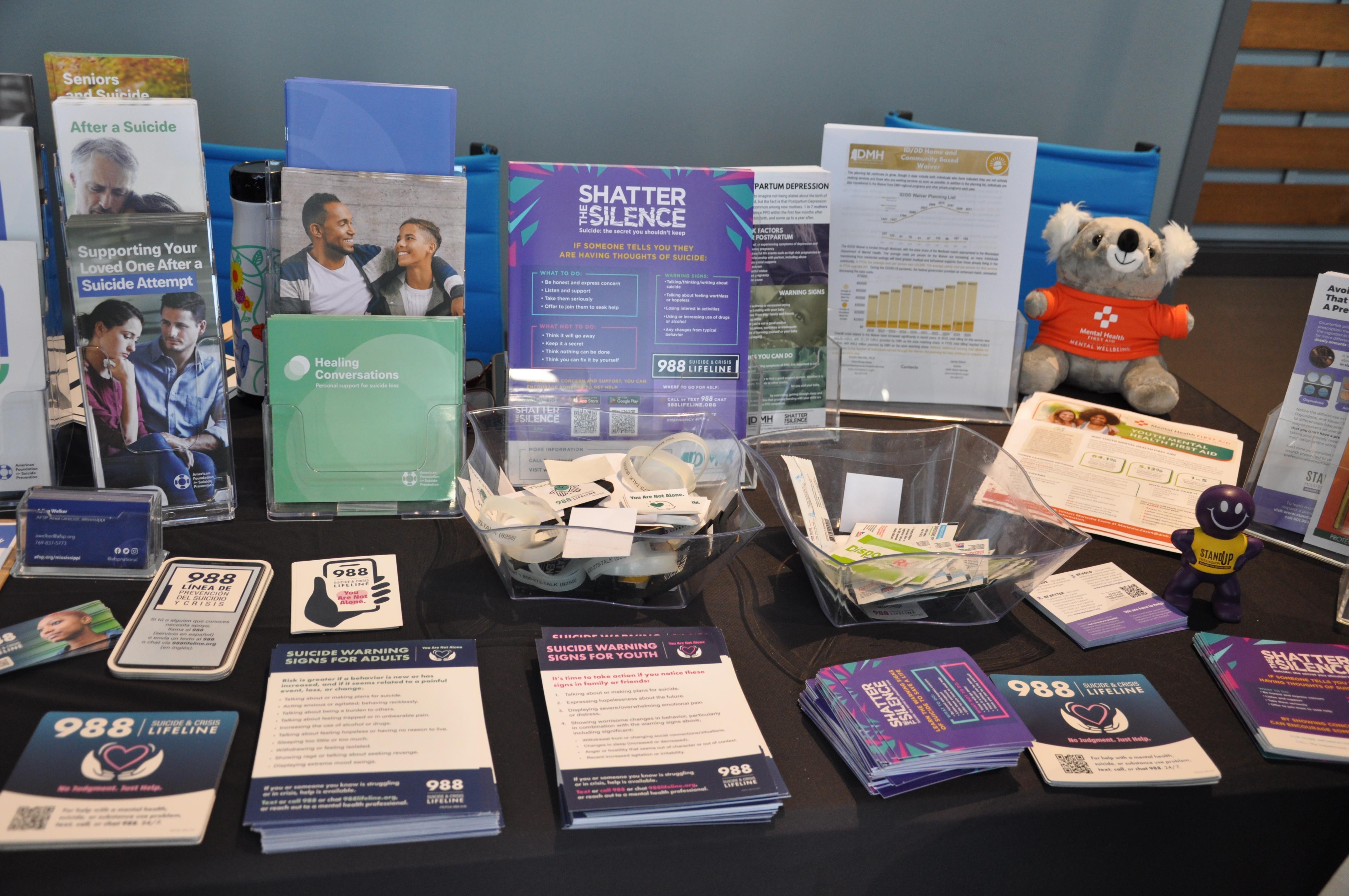
Shephearst Meadows, Merit Health Behavioral Services, Pine Grove Behavioral Health and Addiction Services, NAMI of Mississippi, East Mississippi State Hospital, Pathways Health Care, Ocean's Behavioral Health, Living Independence for Everyone of Mississippi and Diamond Grove Center were all tabling at the symposium.
Anyone who is experiencing suicidal thoughts or a mental health crisis can reach immediate help by calling or texting the 988-suicide hotline. Resources can also be found online at the Mississippi Department of Mental Health website.