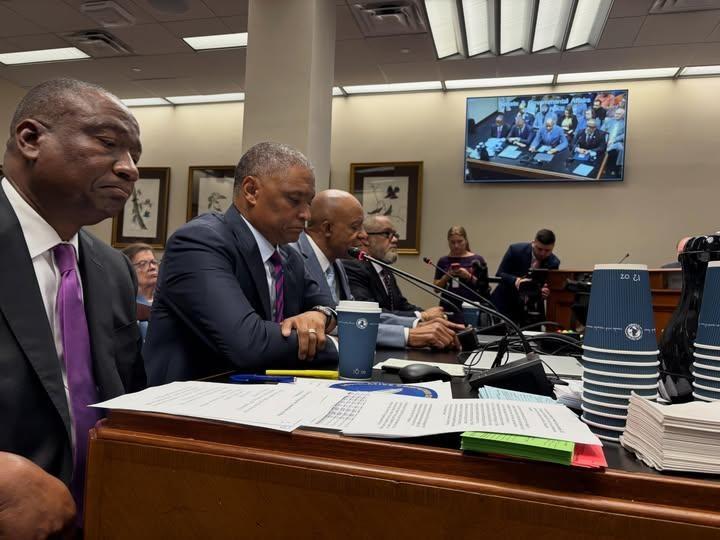
On a warm Saturday in Montgomery, Alabama, just days after Louisiana lawmakers voted to approve a new congressional map that eliminated Fields’ district, the response he predicted began to take shape.
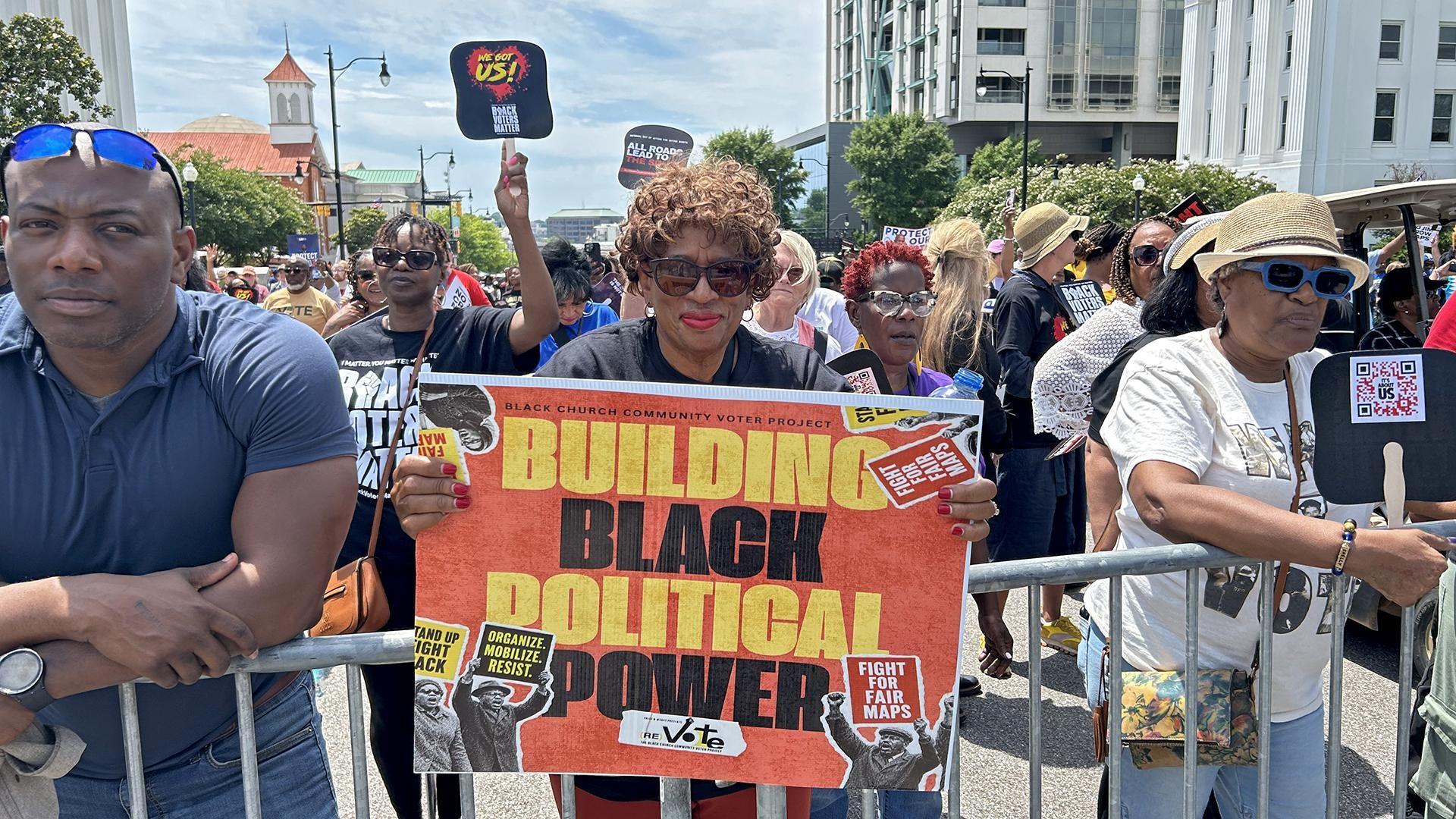
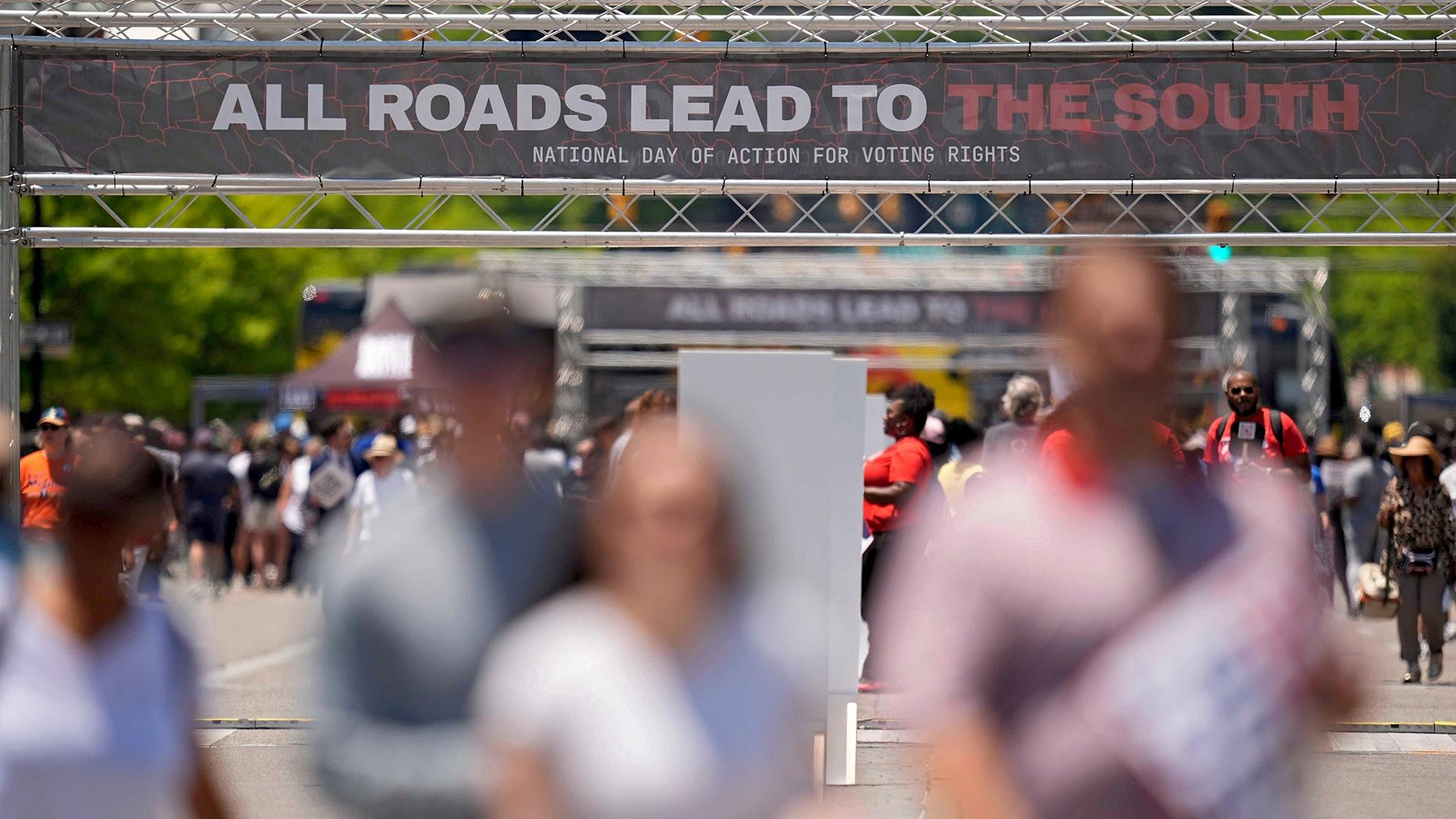
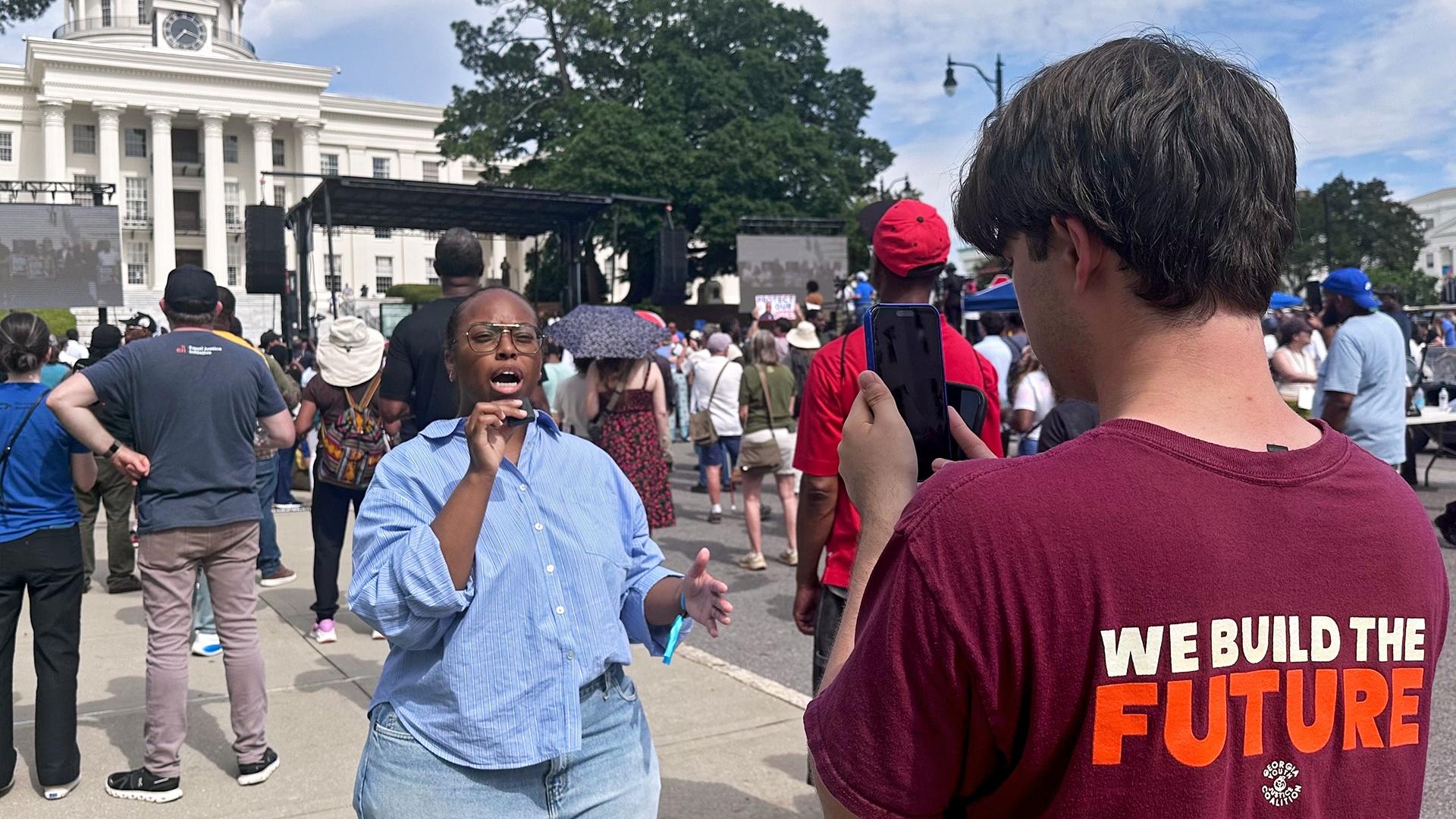
More than 200 organizations had come together for a national day of action called “All Roads Lead to the South.” People filled the streets of Alabama's capital — the birthplace of the Civil Rights Movement — holding signs and chanting in defense of the Voting Rights Act.
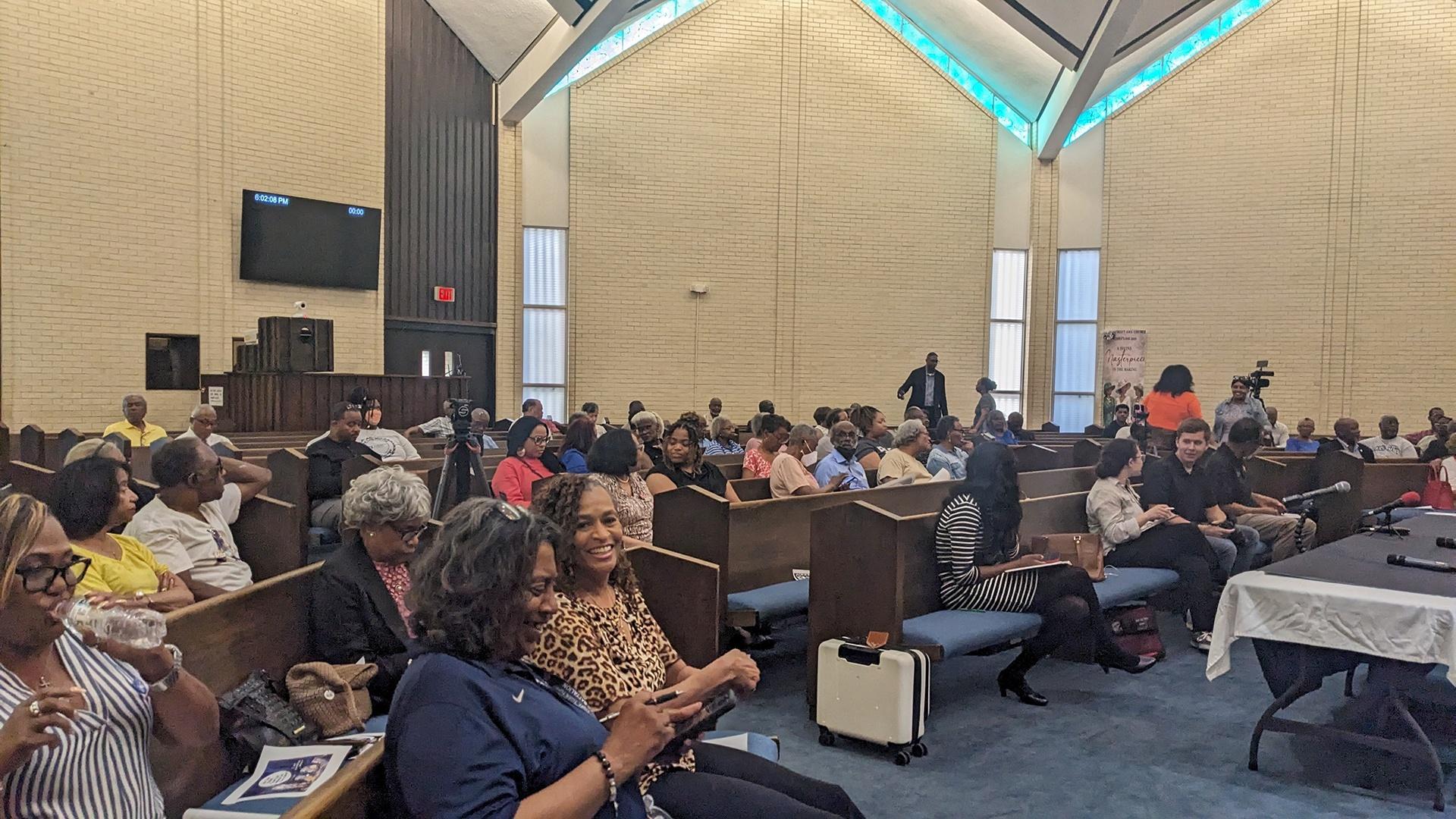
It began, as these things often do in Alabama, with prayer. Worshippers packed Tabernacle Baptist Church in Selma, Alabama, where activists first organized in 1963, before marching across the Edmund Pettus Bridge and making their way to Montgomery.
"People of faith don't go into battle first — we worship first," said Rev. Traci Blackmon of the advocacy group Faith Out Loud.
Alabama Republicans had quickly followed Louisiana’s suit. Gov. Kay Ivey called a special session, and the state attorney general filed a motion to lift a court injunction that had prevented Alabama from redrawing its maps until 2030.
A special election was set for August, and the target is plain: two majority-Black districts held by Democratic Reps. Shomari Figures and Terri Sewell — seats that exist only because previous Voting Rights Act litigation forced the state to create them. Five of Alabama's seven congressional districts are currently held by white men.
Like Fields in Louisiana, Figures' seat is also a product of that history. He was elected in 2024 only after the Supreme Court ruled in Allen v. Milligan that Alabama had discriminated against Black voters and ordered the state to redraw its maps. Now, less than two years later, Alabama is moving to undo that remedy.
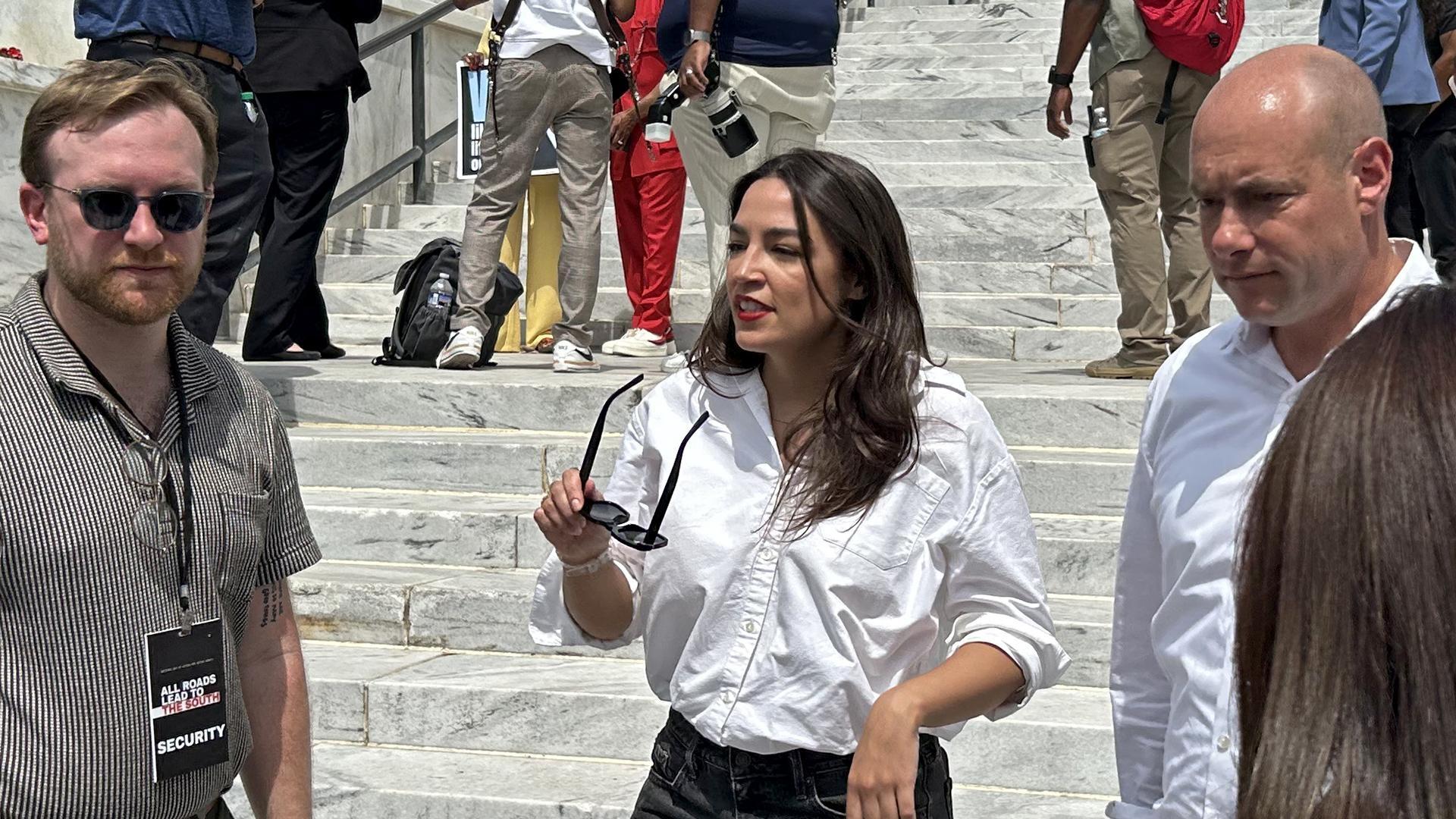
“It’s damaging to Black America, but not just Black America, to America as a whole,” Figures said at the rally. “You hear some Republicans now say, since the Callais case, ‘No, we’re not doing this to get rid of Black people, we’re getting rid of Democrats, ’ well either one of them is wrong.”