


The 2020 U.S. Census is more than just a population count — it also determines education, funding the number of representatives and other things that impact communities large and small. MPB’s Alexandra Watts reports from the Mississippi Delta on efforts to make sure everyone is counted.
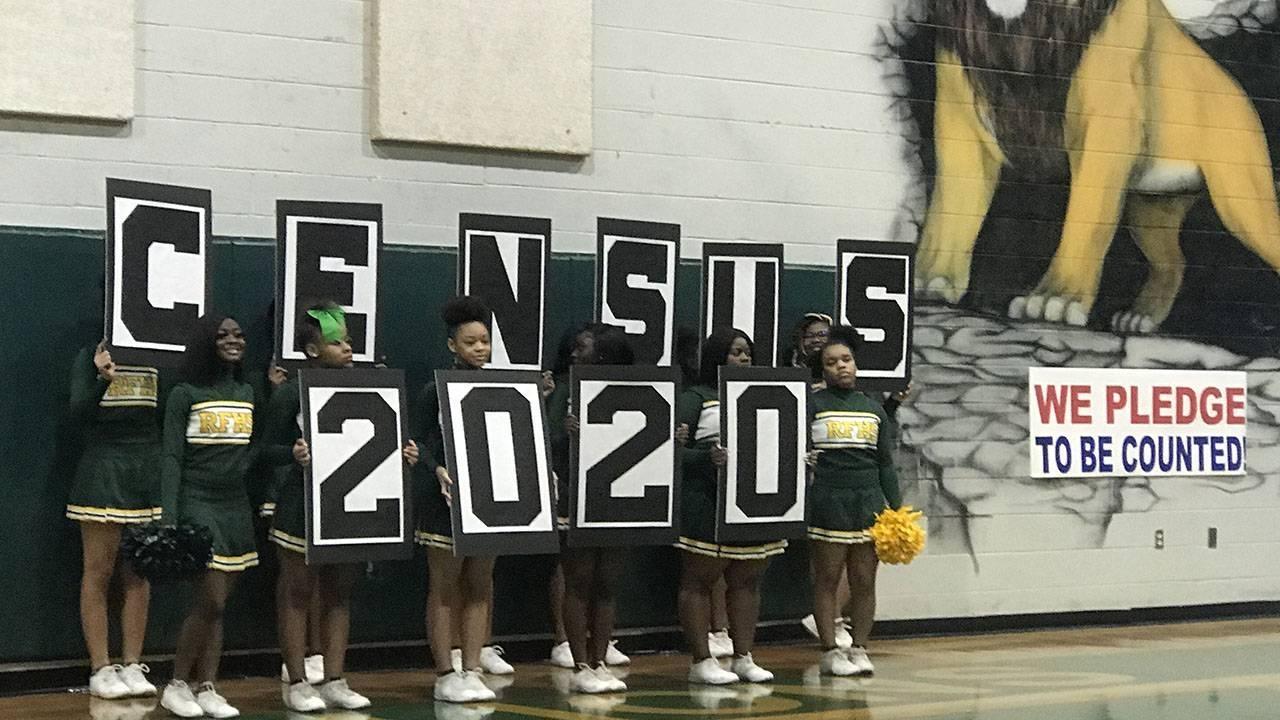
Rosa Fort High School cheerleaders ramp up the crowd in their school’s gymnasium.
Students yell back, but this isn’t a game or a pep rally — it’s an event to raise awareness about the 2020 Census.
Historically, children are among the population groups undercounted in the census. According to the Mississippi Department of Education, Tunica County is one of several Delta counties where the undercount has affected federal funding.
Andrea Robinson is with the U.S. Census Bureau's Atlanta Region. She said children aged 5 and under are the most likely to be uncounted.
“In ten years, those same newborns to age 5 will be between 11 and 15. They will be in middle school and high school, and they are going to need services for them,” Robinson said. “But if the numbers are not there, the money that would help them will not be there either.
The count is used to distribute billions of dollars in federal funding--- for programs that help children have access to the quality education resources, healthcare, food assistance, and housing support.
In areas like the Delta, where resources are limited, that funding is especially important.
Carey Wright is the State Superintendent of Education. She said younger people have the ability to reach out to their families and peers to get everyone in their community counted.
“This is a good way for them to really realize that their voice does matter. If we can use them as emissaries in our communities to really make sure our count is accurate, it gives them a leadership opportunity that they might not have had otherwise,” Wright said.
This is the first year the census will be mainly online. On March 12, households will get information from the Census Bureau about how to respond.